Step 01
Search Your Area
Enter your city, state, or zip code to find local honey sellers near you, beekeepers, apiaries, honey farms, and shops with honey in your area.
Browse 15,000+ beekeepers, honey farms, and local honey sellers across all 50 states. Find raw honey, comb honey, and more, sourced directly from producers you can trust.
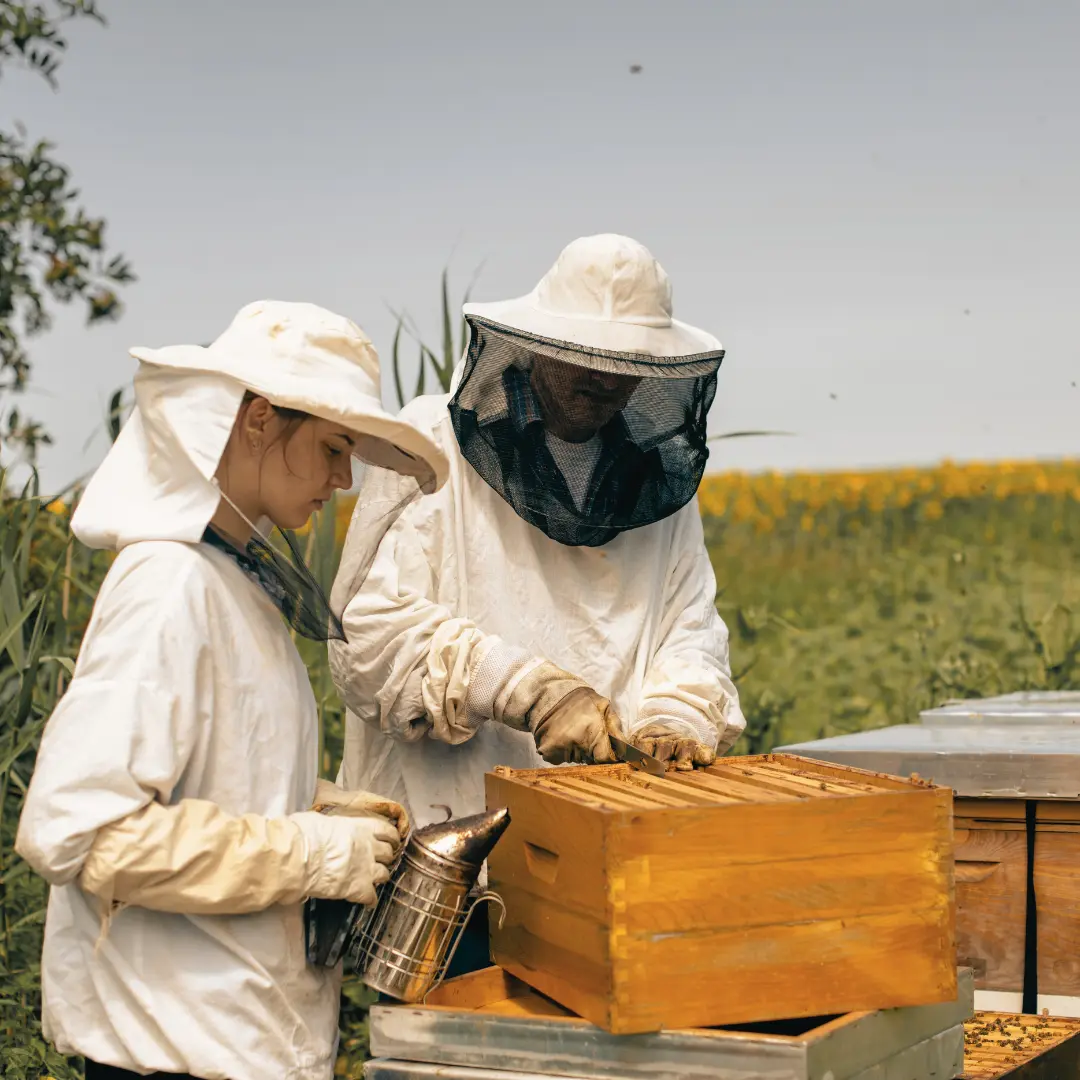
Local Honey Map is the largest directory of local honey sellers in the United States. We connect you directly with beekeepers, honey farms, and apiaries in your area, real producers you can talk to, visit, and buy from. Every listing includes reviews, product details, and the information you need to find raw, genuine honey near you.
15,000+
Local Honey Sellers
Beekeepers, farms, and shops listed
50
States Covered
Every US state represented
300+
Honey Varietals
Wildflower, buckwheat, sourwood, and more
100,000+
Customer Reviews
Real experiences from honey buyers
Every state in the US has beekeepers producing raw, local honey. These are the states with the most active honey seller communities in our directory. Browse by state to find beekeepers, honey farms, and apiaries near you.
New York is one of the top honey-producing states in the Northeast, known for buckwheat, wildflower, and goldenrod varietals from apiaries across the Hudson Valley, Finger Lakes, and beyond.
California produces more honey than any other US state, with varietals including orange blossom, sage, and avocado honey from beekeepers spanning the Central Valley to the coastal ranges.
Pennsylvania's diverse landscape supports a strong beekeeping tradition, with local honey ranging from light clover and wildflower to dark buckwheat from producers across Amish country and the Appalachian foothills.
Texas is home to one of the largest beekeeping communities in the US, producing wildflower, mesquite, and tallow honey across a vast range of climates and floral regions.
Florida's subtropical climate produces some of America's most distinctive honeys, including tupelo, orange blossom, palmetto, and gallberry from beekeepers throughout the peninsula and panhandle.
Michigan beekeepers produce star thistle, basswood, blueberry, and wildflower honey, with a particularly active honey community across the state's western fruit belt and Upper Peninsula.
Local Honey Map makes it easy to find raw honey, beekeepers, and honey farms in your area. Search by location, compare sellers with real customer reviews, and buy directly from local producers, whether that means visiting a farm stand, ordering online, or picking up at a farmers market.
Explore the mapEnter your city, state, or zip code to find local honey sellers near you, beekeepers, apiaries, honey farms, and shops with honey in your area.
Every listing includes seller details, honey types, product range, and real customer reviews, so you can find the best local honey for what you're looking for.
Reach out to producers directly to ask about their honey, whether it's raw, what varietals they carry, and how to buy. Most local beekeepers are happy to talk about their hives.
Purchase honey directly from the source, at a farm stand, farmers market, or shipped to your door. Fresher, more traceable, and better tasting than anything on a grocery store shelf.
Not all honey is the same. Browse local sellers by the type of honey you are looking for, from raw wildflower to comb honey and beyond.
Unheated, unfiltered honey straight from the hive. Preserves natural enzymes, pollen, and flavor that processing destroys.
Honey sold in its natural beeswax comb. The most unprocessed form of honey available, with wax, pollen, and propolis intact.
Made from the nectar of wild, uncultivated flowers. Flavor varies by season and region, making every batch unique.
Dark, robust, and high in antioxidants. One of the most nutritionally dense honeys produced in the US, with a molasses-like depth.
Light, floral honey from citrus-growing regions of Florida and California. Mild sweetness with a subtle citrus note.
A prized Appalachian varietal from North Carolina and neighboring states, with a distinctive buttery, anise-like flavor.
Guides, tasting notes, and practical advice for finding and buying the best local honey.
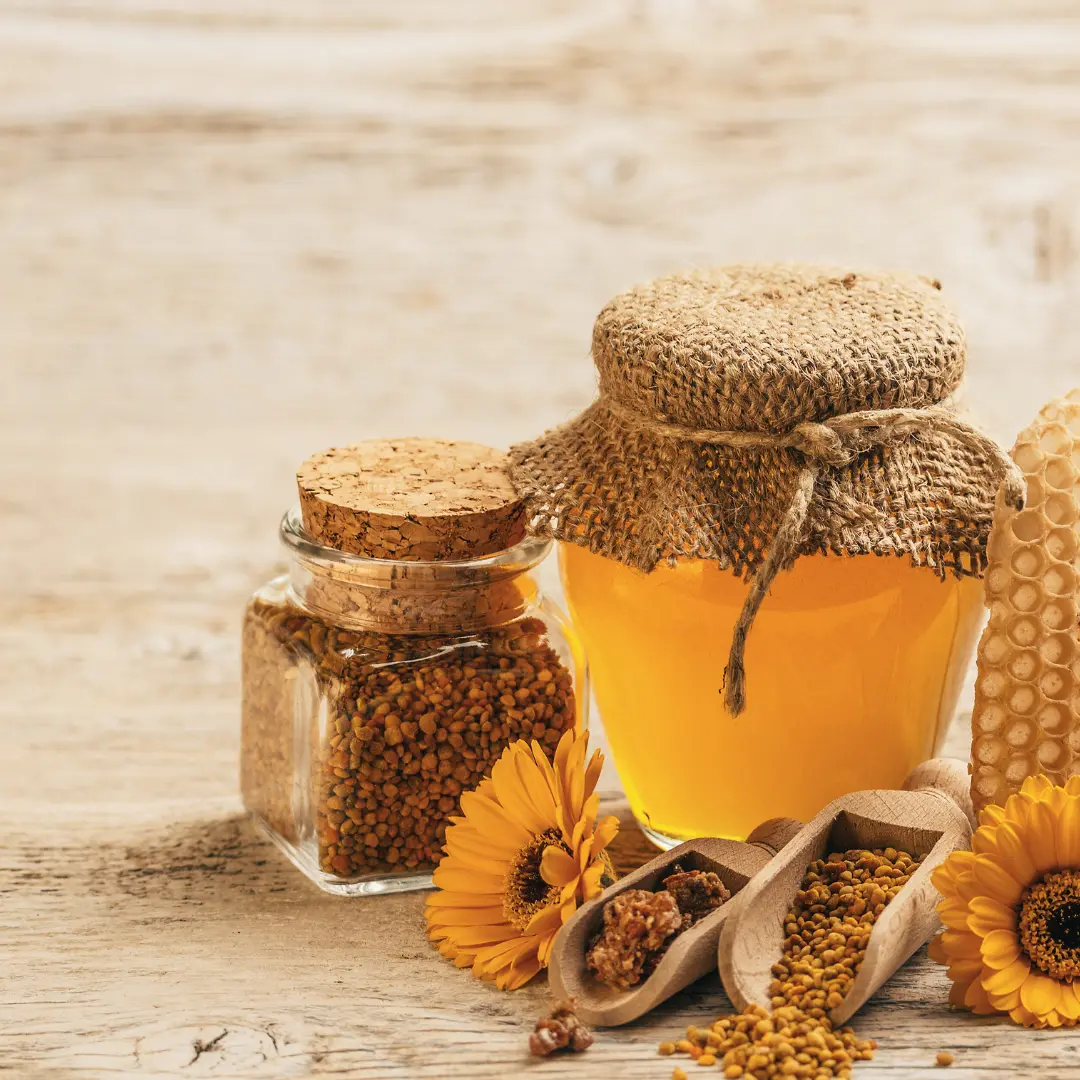
Americans consume nearly 700 million pounds of honey each year, but most of it is imported. Here's how that happened and why local honey matters.
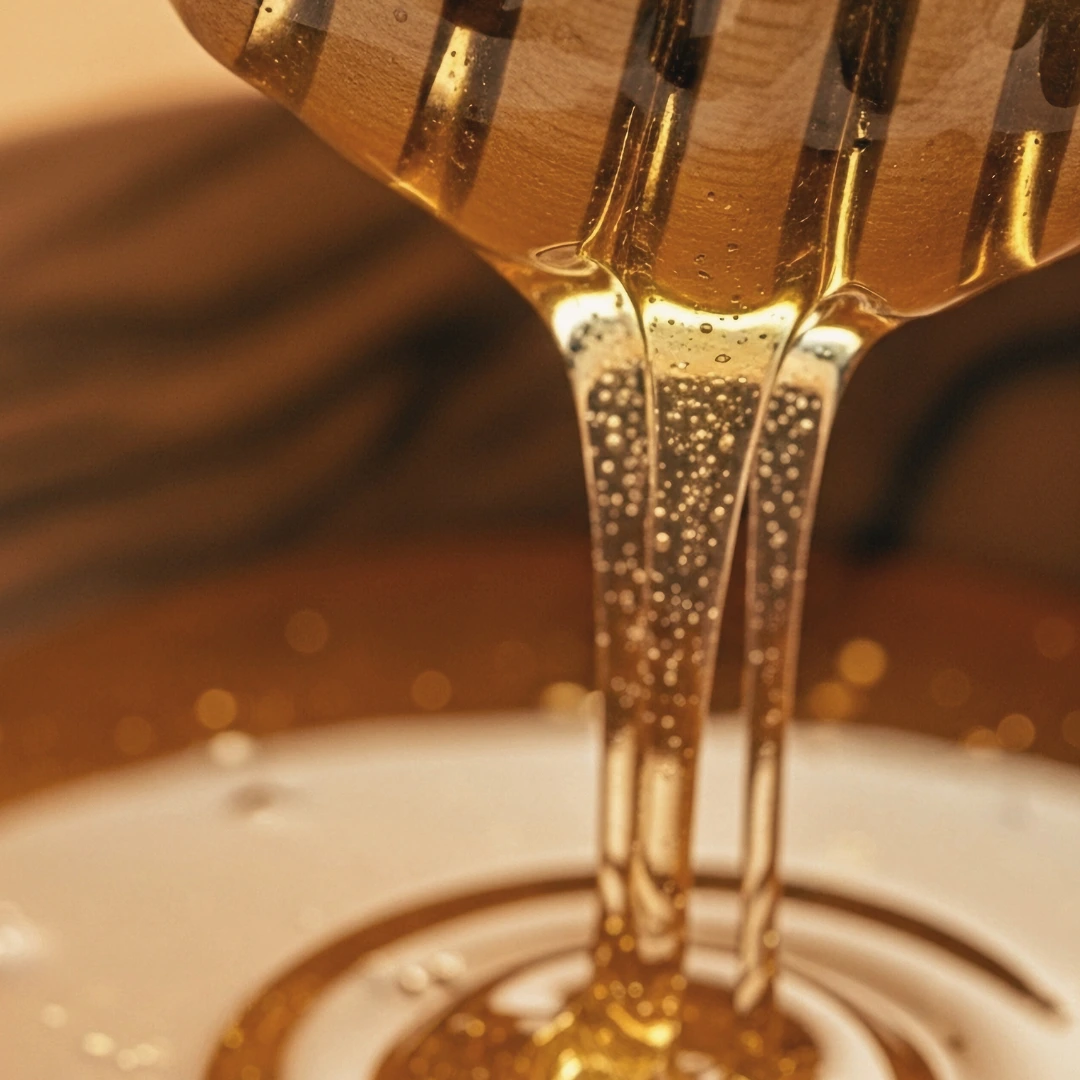
What raw honey actually means, why processing changes the product, and how to find the real thing.
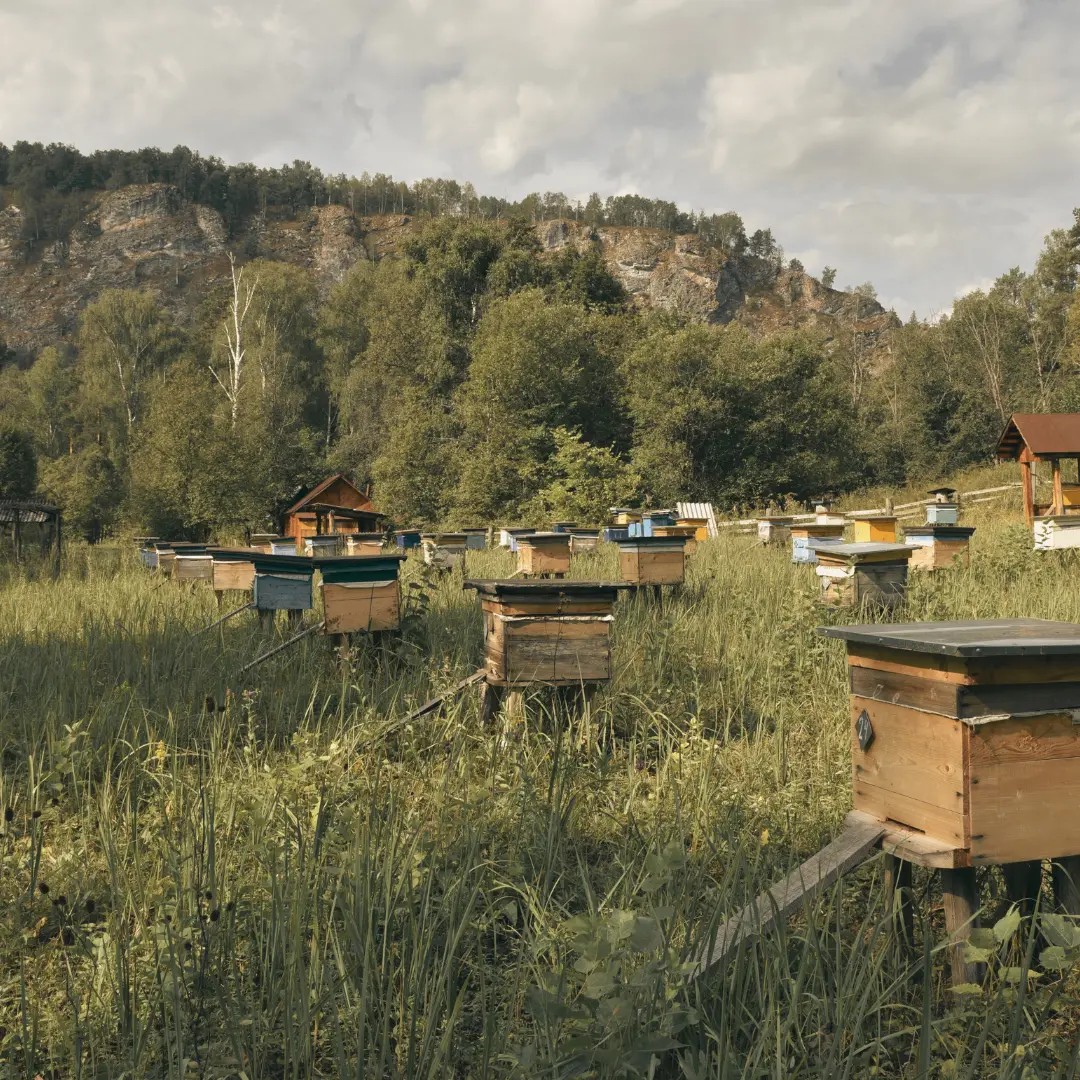
Where to look, what to ask before you buy, and why it's worth going beyond the grocery store.
Join thousands of beekeepers already reaching local buyers.